
How Water Contaminants Can Affect Your Pet’s Health
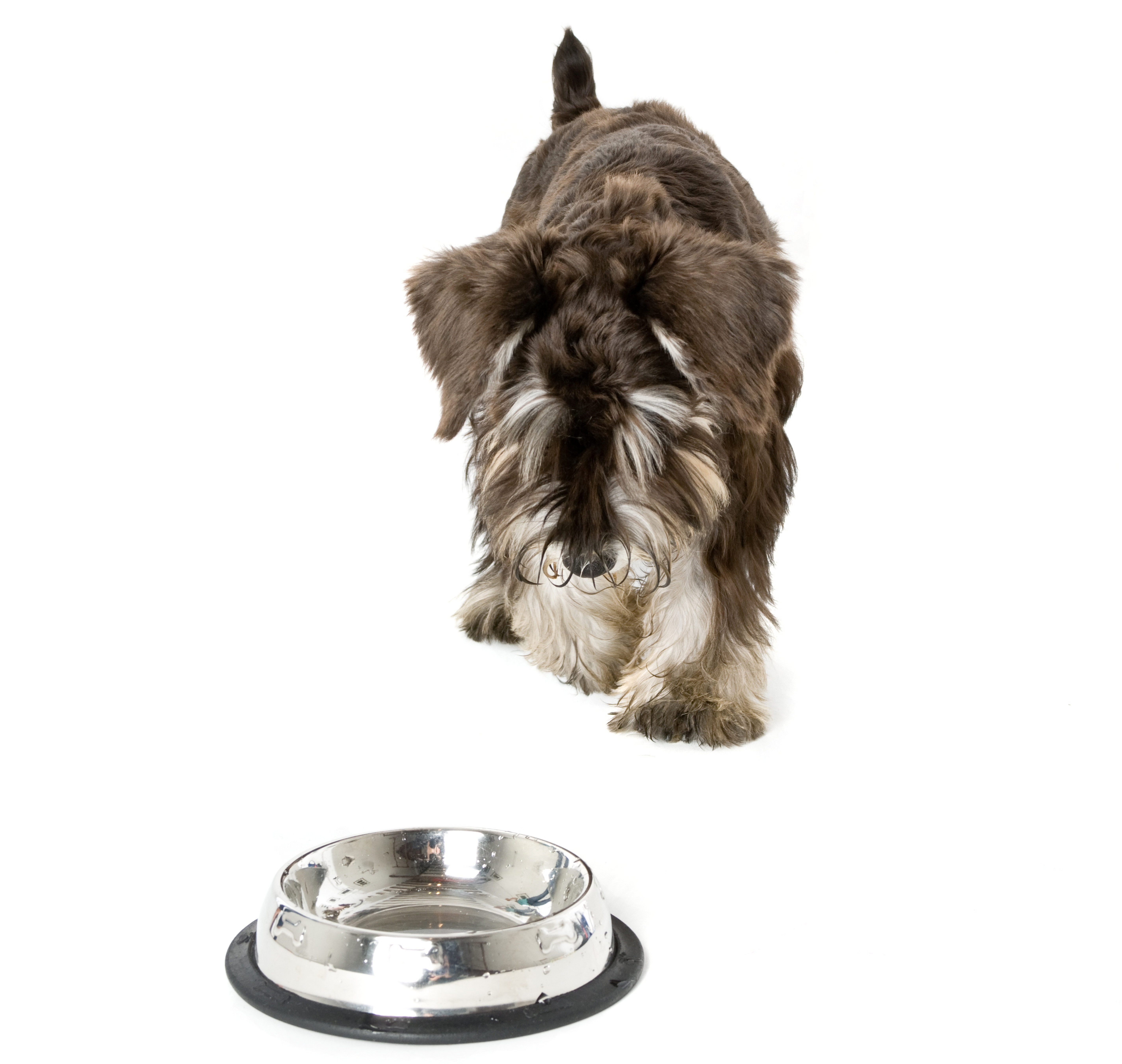
Most homeowners think about water quality in terms of their own health, but what about their pets? Dogs, cats, and other animals often drink more water per pound of body weight than humans, which means contaminants in your water supply can impact them even faster.
Understanding what’s in your water is an important step toward protecting every member of your household.
Why Water Quality Matters for Pets
Pets rely entirely on the water you provide. Unlike humans, they cannot easily avoid unpleasant tastes or odors, and they may continue drinking contaminated water over long periods.
Poor water quality may contribute to:
- Digestive issues
- Skin irritation or excessive itching
- Kidney stress over time
- Changes in appetite or energy levels
Animals with smaller body mass are particularly sensitive to contaminants, meaning even moderate water issues can have noticeable effects.
Common Water Contaminants That May Affect Pets
There are several common contaminants that may be present in untreated city or well water depending on your location.
Municipal water systems commonly use chlorine or chloramines for disinfection. While considered safe at regulated levels, these chemicals can sometimes cause dry skin or coat irritation, gastrointestinal discomfort, or a strong taste that discourages hydration.
Hard water is another common concern. High levels of calcium and magnesium are what create hard water. While not typically dangerous, extremely hard water may contribute to mineral buildup in bowls, possible urinary concerns in some pets, or reduced palatability.
Iron and sulfur are more common in homes or businesses that operate on well water. These minerals are often found in private well systems and may cause metallic or rotten egg smells, staining in bowls or water dishes, or reduced water consumption due to taste or odor.
Signs Your Pet May Be Reacting to Water Quality
If your pet is experiencing unexplained symptoms, water quality may be worth investigating. This is especially true in homes using untreated well water. Watch for increased or decreased drinking, digestive upset, frequent scratching or skin irritation, or changes in urination patterns.
If symptoms persist, consult a veterinarian while also testing your water.
How Water Treatment Helps Protect Your Pets
Modern water treatment systems can remove or reduce many common contaminants while improving taste and odor.
Solutions may include:
- Water softeners to reduce mineral buildup
- Carbon filtration to reduce chlorine and odors
- Reverse osmosis systems for high-purity drinking water
Systems from EcoWater Systems are designed to improve water quality throughout your entire home or business, helping ensure safer, better-tasting water for both people and pets.
Start with a Water Test
The first step toward improving water quality is understanding what’s in your water. A professional test can identify mineral levels, odor sources, and potential contaminants so the right solution can be recommended.
Contact us today to schedule your free water test by clicking here.